Your interests
Consider what draws you to India. Architecture, history, food, wildlife, photography, crafts, spirituality and everyday life can all shape the route.
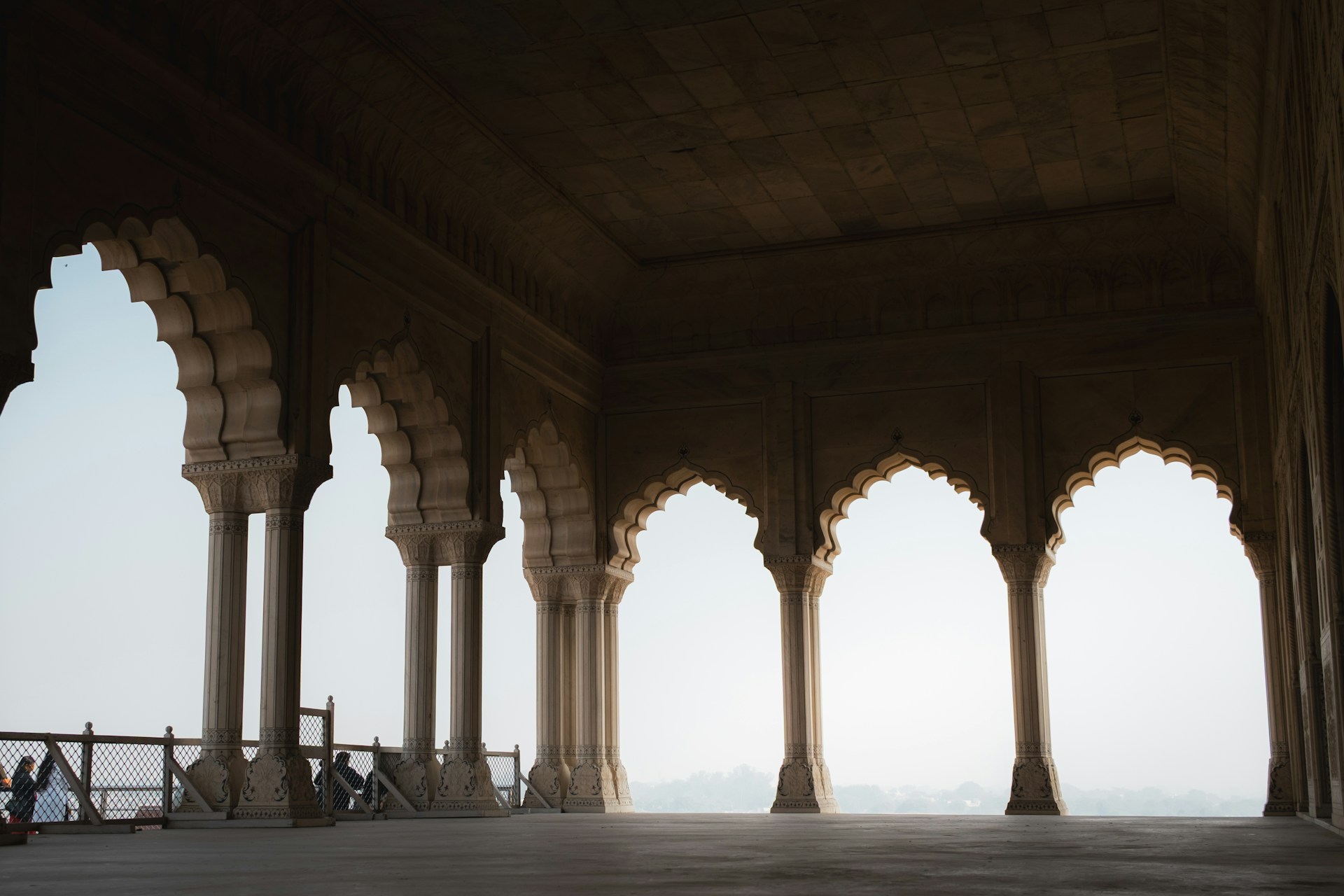
India Travel Guide
A thoughtful starting point for planning a private journey through North India, from choosing the right route and pace to deciding which experiences deserve your time.
India rewards curiosity, but a first journey does not need to cover everything. The most considered itineraries leave enough space for each place to unfold.
A First Introduction
A first visit to India can feel difficult to plan simply because there is so much to see. Delhi, Agra, Jaipur, Rajasthan, wildlife, markets, palaces, architecture, food and everyday life can all be part of the journey.
The temptation is to build an itinerary around everything that appears worth visiting. In practice, this often produces a journey that feels full on paper but rushed in reality. Distances, weather, walking, arrival times and the simple need to pause all affect how a day feels.
A better starting point is the kind of journey you would like to have. Perhaps you want to understand India's architectural history, spend time photographing its cities, explore food and markets, see wildlife, or simply travel at a comfortable pace with enough time to absorb each destination.
Once those priorities are clear, the route becomes easier to shape. For many first-time international travellers, the Golden Triangle provides a natural introduction to North India, connecting Delhi, Agra and Jaipur within a coherent private journey.
Before Choosing a Route
The strongest itineraries usually begin with the traveller rather than the destination list. Your interests, pace, season and comfort can influence almost every other decision.
Consider what draws you to India. Architecture, history, food, wildlife, photography, crafts, spirituality and everyday life can all shape the route.
Decide whether you prefer full sightseeing days or more time for slower mornings, longer lunches, hotel time and moments at leisure.
The time of year influences weather, visibility, walking conditions, crowds and the rhythm of sightseeing. Dates and route should be considered together.
Travel time, hotel location, walking levels, climate and daily activity should be considered before the route is finalised.
The Natural Introduction
The Golden Triangle connects Delhi, Agra and Jaipur. It is one of the most straightforward ways to experience several distinct sides of North India within one private journey.
Delhi offers a first glimpse of the country's capital and its layered history. Agra brings the Taj Mahal and the wider legacy of Mughal India. Jaipur then introduces the architectural character, palaces, crafts and landscapes of Rajasthan.
The route works particularly well for first-time visitors because each city feels different without requiring an overly complicated itinerary. The journey can also be extended according to your interests, whether that means wildlife in Ranthambore, the blue streets of Jodhpur, the lakes of Udaipur or a slower exploration of Rajasthan.
The important question is not how many places can be added. It is whether each additional destination contributes something meaningful to the journey and still allows enough time to enjoy it.
Three Cities
Delhi, Agra and Jaipur form a natural sequence, but they should not be treated as interchangeable sightseeing stops. Each deserves its own rhythm.
The capital is often the first encounter with India.
Delhi introduces several different layers of the country within one city. Historic neighbourhoods, Mughal architecture, broad avenues and contemporary districts sit alongside one another, giving the traveller an early sense of India's contrasts.
For a first visit, the city is best approached selectively rather than as a checklist. A thoughtful combination of heritage, neighbourhoods and quieter pauses can provide a stronger introduction than trying to see every major landmark in a single day.
The amount of sightseeing can also be adjusted around arrival time, energy levels and the wider journey. An early arrival may allow some gentle exploration, while a late flight is better followed by a quieter evening.
The defining moment of the Golden Triangle.
Agra is closely associated with the Taj Mahal, but the city's significance extends beyond the monument itself. Mughal architecture, the Agra Fort and views across the Yamuna give the destination a deeper historical context.
The Taj Mahal is often most rewarding when approached with time rather than urgency. An early morning visit can provide a quieter atmosphere and a softer quality of light before the day becomes busier.
Agra also works naturally as a pause between Delhi and Rajasthan. A comfortable hotel, a considered afternoon and time to rest can make the transition into the next part of the journey feel unhurried.
A different expression of North India.
Jaipur brings Rajasthan into the journey through its forts, palaces, old city, crafts and distinctive architectural character. After the Mughal heritage of Delhi and Agra, the atmosphere changes noticeably.
The city can be explored through its principal heritage sites, but there is value in leaving space for the details between them. Markets, textiles, crafts, architecture and quieter corners of the old city can all become part of the experience.
Jaipur is also a destination where the pace matters. A morning of sightseeing followed by time at leisure can often feel more rewarding than attempting to fill every available hour.
Finding the Right Length
There is no single ideal length for a first trip to India. The right duration depends on how much of the country you would like to experience and how much time you prefer to leave between major sightseeing days.
A shorter journey can focus on the Golden Triangle, while a longer journey allows additional destinations, more leisure and a slower pace.
A focused Golden Triangle
A shorter journey can provide a concise introduction to Delhi, Agra and Jaipur while keeping the route relatively straightforward. It works well for travellers who want the principal highlights without extending too far beyond the core route.
More breathing space
Additional nights allow the journey to settle into a gentler rhythm. There is more room for relaxed sightseeing, time at leisure and carefully selected experiences beyond the principal landmarks.
Extend into Rajasthan
With more time, the journey can continue towards destinations such as Ranthambore, Jodhpur or Udaipur. The route can also be slowed down, allowing greater space for hotels, local experiences and unplanned moments.
The right length is the one that leaves enough room to enjoy the places you have chosen.
The Rhythm of the Journey
One of the easiest mistakes on a first journey is to measure a day by the number of places visited. A more comfortable approach is to think about the quality of the day as a whole.
Two or three meaningful experiences can be enough. A principal heritage visit may be followed by a lighter local experience, a café, a scenic pause or time back at the hotel.
This also allows the itinerary to respond to the realities of travel. Long flights, road journeys, heat and walking can all affect energy levels. A private journey gives greater freedom to adjust the day rather than forcing every traveller into the same schedule.
The objective is not to remove experiences. It is to choose them carefully, sequence them logically and leave enough room for the journey to feel comfortable.
Planning Details
The most memorable parts of a journey are often influenced by decisions that happen before the sightseeing begins.
The right hotel should suit both the destination and the traveller. Location, character, comfort and how the property fits into the wider route are often more important than choosing the same category everywhere.
Distances in North India can be greater than they appear on a map. A well-planned route considers road time alongside sightseeing rather than treating transfers as empty space between destinations.
A knowledgeable local guide can add context to monuments and neighbourhoods while adapting the depth and pace of the visit to the traveller.
Two or three meaningful experiences can be more rewarding than a full list of attractions. Time to pause is part of the journey rather than time lost from it.
Food, photography, architecture, history, crafts and wildlife can all influence the route. The itinerary should reflect the traveller rather than simply follow a standard checklist.
Leaving space for rest, cafés, hotel time or spontaneous exploration helps maintain a comfortable rhythm, particularly after longer transfers or flights.
Why Private Travel
India rewards flexibility. A private journey allows the day to be adjusted around the traveller rather than asking the traveller to follow a fixed schedule.
A private chauffeur provides continuity between destinations, while local guides can bring greater context to important sites and adjust the pace during the visit.
The practical benefit is equally important. Departure times can be considered around the traveller, road journeys can be planned with the wider day in mind, and sightseeing can be reduced or reshaped when a quieter day feels more appropriate.
Most importantly, the itinerary can be refined around the guest. If a particular experience matters more than another, the day can be rebuilt rather than simply adding more activities.
This is the principle behind a considered private journey: refine the experience rather than overload it.
Seasonality
The time of year can influence how a journey feels. Weather, visibility, walking conditions, wildlife experiences and the rhythm of sightseeing should all be considered when choosing your dates.
Rather than choosing dates independently of the route, it is often more useful to consider the destinations and experiences you would like to include first, then refine the journey around the season.
This is particularly important when a journey combines different parts of North India. The same itinerary can feel very different depending on the conditions, the amount of walking involved and the balance between outdoor sightseeing and time at leisure.
Often Overlooked
Some of the most important planning decisions are not about which monument to visit. They are about how the journey moves from one experience to the next.
Delhi, Agra and Jaipur form a practical route, but road travel still takes time. Transfers should be considered as part of the journey rather than as empty space between destinations.
Temperature and seasonal conditions can influence walking, sightseeing hours and the overall pace of a day. Dates should therefore be considered alongside the route and experiences.
A well-located hotel can make a noticeable difference to how a journey feels. Character, comfort, access and the relationship to the day's route all matter.
Not every day needs an early departure. A relaxed breakfast, later start or time at the hotel can create a more comfortable rhythm over several days.
Guides are particularly useful at major heritage sites where historical and cultural context adds depth. The amount of guiding can be adjusted around interests and preferred pace.
A journey should contain moments that are not programmed. A café, hotel courtyard, quiet walk or spontaneous stop can become part of the experience.
Personalisation
A first trip to India does not have to follow a standard formula. The essential landmarks can remain, while the spaces between them are shaped around what interests you.
Someone interested in architecture may want more time around historic buildings and old neighbourhoods. A traveller drawn to food may prefer local markets, carefully selected dining experiences and time to explore independently.
Photography can influence the timing of visits. Wildlife may influence the route itself. Couples may prefer more private and unhurried moments, while families may benefit from shorter sightseeing periods and greater flexibility.
Walking levels, age, comfort and energy should also be part of the planning conversation. Personalisation is most useful when it improves the flow of the entire journey rather than simply adding another activity.
The GTTC Approach
The best first journey through India is rarely the one that covers the most ground. It is the one that gives you enough time to understand each place, move comfortably between destinations and leave room for moments you did not plan.
Thoughtful planning allows India to unfold at its own pace.
Continue Planning
Private Travel
Shape the route around your interests, comfort and preferred pace.
Itinerary Planning
Understand how route, pace and available time should work together.
Journey Length
Find a journey length that leaves enough room to experience each place.
Seasons
Consider weather and season alongside your route and experiences.
Transport
Understand the role of private road travel on a multi-city journey.
Accommodation
See how hotel choice contributes to comfort and the rhythm of a journey.
First-Time Traveller Questions
Yes. Delhi, Agra and Jaipur provide a varied introduction to North India, combining major heritage sites with different city experiences and a relatively straightforward route. The journey can also be extended if you have more time.
There is no single ideal length. A focused Golden Triangle can be planned over around five to six days, while seven to nine days allow more breathing space. With ten days or more, additional destinations in Rajasthan or wildlife experiences can be considered.
For a multi-city journey, a private chauffeur can make transfers considerably easier and allows departure times to remain flexible. The driver also provides continuity throughout the road journey.
A guide can be particularly useful at major heritage sites, where historical and cultural context adds depth to the visit. The amount of guiding can be adjusted according to your interests and preferred pace.
Yes. A private journey can be refined around your interests, travel style, preferred pace and the amount of time available. The aim is to create a coherent journey rather than simply add more activities.
A private itinerary can be planned around comfort, walking levels, hotel locations, transfer times and the amount of sightseeing each day. The route should be refined around the traveller rather than forcing a fixed pace.
A private road journey provides continuity between the three destinations and makes it easier to adjust departure times and sightseeing around the traveller. The route can also be planned to avoid unnecessary backtracking.
If you have additional time, Rajasthan can extend the journey with different landscapes, heritage and experiences. Destinations such as Ranthambore, Jodhpur or Udaipur can be considered depending on your interests and the pace you prefer.
Seasonality should be considered alongside your route and interests. Weather, visibility, walking conditions and the overall rhythm of sightseeing can all influence how the journey feels.
Planning earlier generally gives more flexibility when selecting hotels, guides and experiences, particularly during periods of higher demand. The appropriate lead time also depends on the season and complexity of the route.
A Thoughtful Beginning
A first journey through India does not need to answer every question or visit every landmark. It simply needs to create enough space for the places you have chosen to become meaningful.
The right route, the right pace and a little flexibility can transform the experience from a list of destinations into a journey that feels entirely your own.
Quick replies · 7 days a week
Private Travel Planning
This helps us plan your trip before we speak