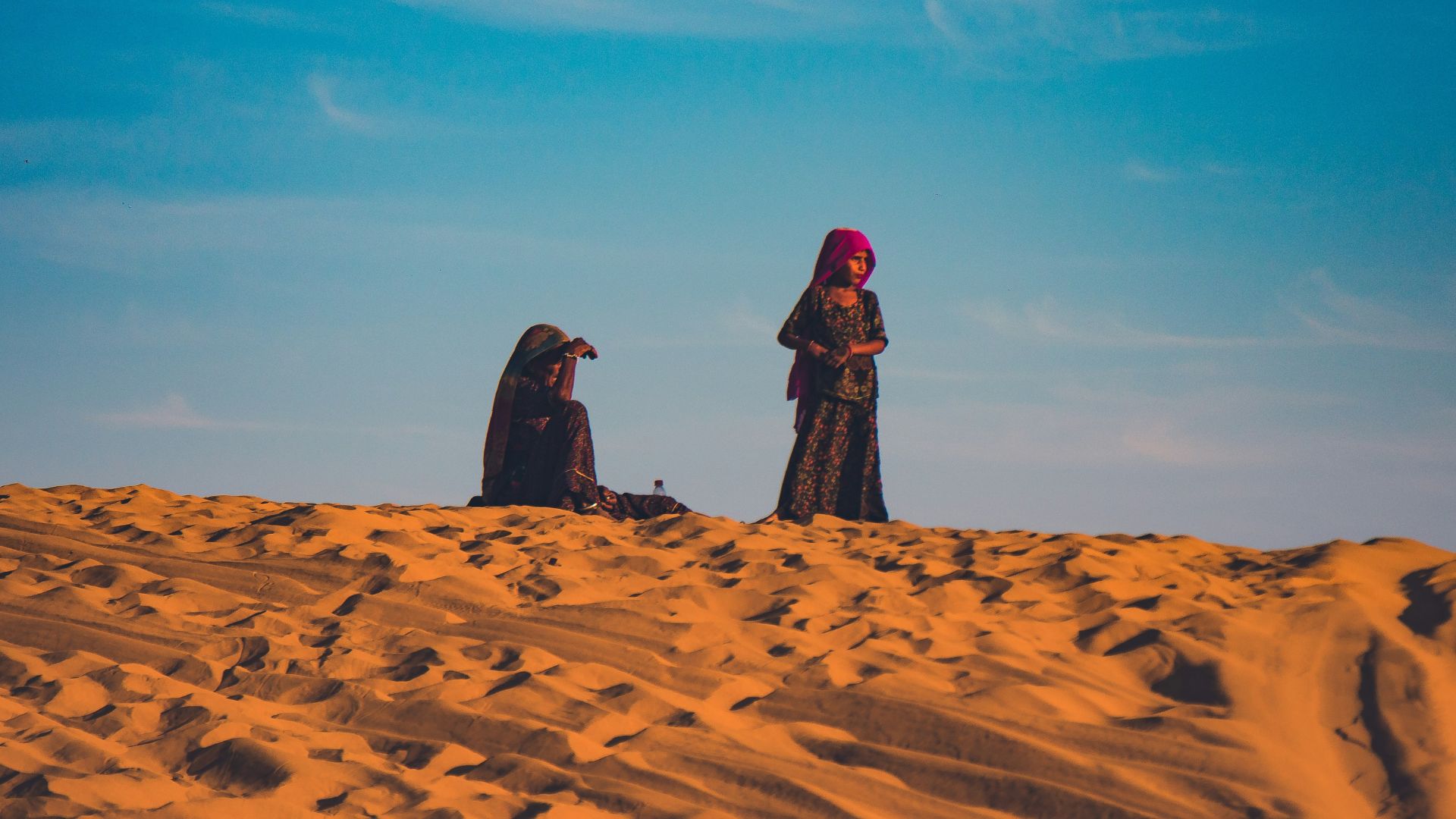
North India heritage landscape in soft light

India Travel Guide

Best Time to Visit North India

When to travel through Delhi, Agra, Jaipur and Rajasthan depends on more than the calendar. Weather, pace, interests and the kind of journey you want to have all play a part.

This guide looks at North India season by season, so you can choose dates that suit the way you would like to experience the journey.

Choosing Your Dates

The Right Season Is the One
That Suits Your Journey

There is no single month that can be called the perfect time to visit all of North India. Delhi, Agra and Jaipur experience clear seasonal changes, and the same journey can feel quite different depending on when you travel.

For a first private journey, the most useful question is not simply whether the weather is good. It is whether the conditions suit the way you want to travel. A traveller planning long days around architecture and heritage may have different priorities from someone who wants a slower journey with time at leisure.

Season also affects the rhythm of the day. Temperature, rain, walking conditions and the amount of time you comfortably want to spend outdoors can all influence when experiences should begin and how much should be planned.

A private itinerary gives you more room to respond to those conditions. Earlier sightseeing, slower afternoons, additional hotel time or a change in sequence can all be considered without forcing the entire journey into a fixed timetable.

If you are still at the beginning of your planning, our India Travel Guide brings together the wider considerations around destinations, journey length, private travel and planning your route through North India.
At a Glance

North India Through the Year

Each season has a different character. The best choice depends on whether your priority is comfortable sightseeing, shoulder-season travel, wildlife, photography or simply a slower way of moving through India.

01

Winter

December — February

The most comfortable season for many first-time journeys through the Golden Triangle.

The cooler months are particularly well suited to days spent exploring monuments, historic neighbourhoods and outdoor sites. December, January and February bring a very different rhythm to the North Indian plains from the heat of late spring and summer.

Ideal for heritage, photography and comfortable sightseeing.

02

Spring

March — April

A transitional season, with increasingly warm days as the months progress.

Spring can be an attractive time to travel when you prefer to visit before the hottest part of the year. Conditions change noticeably through the season, so the exact dates matter when planning a route with substantial outdoor sightseeing.

Good for travellers who prefer the shoulder season.

03

Summer

May — June

A hotter period that calls for a more deliberate rhythm.

Temperatures across the northern plains can become intense during late spring and early summer. A journey is still possible, but sightseeing is better approached thoughtfully, with earlier starts, shorter outdoor periods and more time for rest.

Best suited to travellers comfortable with heat and flexible pacing.

04

Monsoon

July — September

A greener, more atmospheric side of North India.

The monsoon changes the character of the landscape and brings periods of rain. Rather than thinking of the season simply as a time to avoid, it can be considered by travellers who appreciate quieter travel and changing scenery, provided the route is planned with weather flexibility in mind.

For travellers who value atmosphere and fewer peak-season conditions.

05

Autumn

October — November

A return towards more comfortable conditions across the northern plains.

As the year moves into autumn, conditions become increasingly favourable for sightseeing. October and November can provide a useful balance between the intensity of summer and the cooler winter months.

A strong period for a classic Golden Triangle journey.

December — February

Winter in the Golden Triangle

Winter is one of the most comfortable periods for exploring the Golden Triangle. Delhi, Agra and Jaipur can all be experienced through substantial outdoor sightseeing without the intensity associated with the hotter months.

The season works particularly well for travellers whose first visit is built around architecture, heritage and photography. Early starts can feel cool, while the middle of the day often provides a comfortable window for further exploration.

The cooler conditions also make it easier to maintain a balanced itinerary. A morning visit can be followed by lunch, a quieter afternoon or time at the hotel without feeling as though valuable sightseeing hours have been lost.

If you are considering travelling during this period, it is worth planning ahead for hotels and guides, particularly when your dates fall within a popular travel window.

If this is your first visit, our guide to planning your first trip to India explains how season, route, pace and expectations come together when planning a first journey.

March — June

Spring Into the Warmer Months

Spring is a transitional period. March can still offer a comfortable sightseeing rhythm, while April becomes increasingly warm and May and June bring much more intense conditions across the northern plains.

This does not necessarily make travel impossible. It simply changes how the journey should be planned. Earlier starts, carefully chosen experiences, comfortable transfers and longer pauses become increasingly important.

For travellers who prefer fewer peak-season conditions and do not mind warmer weather, the shoulder period can be appealing. A private itinerary also provides greater freedom to adjust the length and timing of outdoor visits.

If your dates fall in the hotter part of the season, comfort should take priority over coverage. There is little value in adding another monument if the day's rhythm has already become tiring.

For warmer-season travel, this becomes particularly important when deciding how to structure a private North India journey . The route can be arranged around earlier starts, comfortable transfers and enough time to rest between experiences.

July — September

The Monsoon Changes the Character of the Journey

Monsoon travel is different rather than simply better or worse. Rain becomes part of the rhythm, the landscape changes and outdoor plans may need greater flexibility.

For some travellers, this is precisely the appeal. The quieter atmosphere and changing light can create a more atmospheric experience, particularly when the journey includes beautiful hotels, historic interiors and time to slow down between outdoor visits.

The key is to avoid building a monsoon itinerary that depends on every outdoor experience happening at a precise moment. A little flexibility in timing can make the journey considerably more comfortable.

A private chauffeur and carefully coordinated guides are particularly useful during changeable weather because the day's sequence can be adjusted when necessary.

If weather flexibility is important to you, a private chauffeur in India can also make the road journey easier to adapt around changing conditions.

October — November

Autumn Brings a Different Rhythm

As the monsoon season gives way to autumn, conditions across the northern plains begin to become more comfortable for sightseeing.

October and November can work particularly well for travellers who want to spend substantial time outdoors without the cooler mornings associated with winter.

This period also works naturally for a private Golden Triangle journey because the route can be balanced between major heritage visits, local experiences and time at leisure.

As with any transition between seasons, exact conditions vary. The best itinerary is one that remains flexible enough to respond to the day rather than assuming that every date will feel identical.

Once your travel period is clear, the next step is deciding which India itinerary is right for you and how much time each destination deserves.

Month by Month

A More Detailed Look at the Year

The seasons provide the broad picture, but travellers often plan around specific dates. These monthly notes provide a useful starting point before shaping the route around your interests.

January

Cool winter conditions

A comfortable month for heritage-focused travel, with cooler days and mornings. Allow for some variation in conditions when planning early starts.

February

Winter beginning to soften

A popular period for exploring the Golden Triangle, with conditions generally becoming more comfortable as the month progresses.

March

Spring transition

Temperatures begin to rise, making the timing of sightseeing increasingly important. Early mornings can be especially useful for outdoor visits.

April

Increasingly warm

The journey becomes more dependent on thoughtful pacing as daytime temperatures rise across Delhi, Agra and Jaipur.

May

Very warm

A hotter period in the northern plains. Comfortable travel requires careful timing, shorter outdoor exposure and generous pauses.

June

Heat and seasonal transition

The intensity of summer remains an important consideration, particularly for travellers planning extensive daytime sightseeing.

July

Monsoon begins to shape the journey

Rain becomes part of the travel rhythm. Flexible planning and realistic expectations around outdoor visits become more important.

August

Monsoon atmosphere

The landscape can feel greener and more atmospheric, while rainfall may require flexibility in the timing of outdoor experiences.

September

Monsoon transition

Conditions begin to change as the season moves towards autumn. A flexible itinerary remains useful.

October

Autumn returns

A transition towards more comfortable sightseeing conditions makes this an appealing period for a private North India journey.

November

Pleasant autumn travel

A strong period for exploring the Golden Triangle, with increasingly comfortable conditions before winter arrives.

December

Winter begins

Cooler conditions return, creating a different atmosphere for early-morning sightseeing and heritage visits.

If you are deciding between seasons because you have flexibility with your dates, it can also help to consider how much time you want to spend in North India . A longer journey can make it easier to slow the pace and include additional destinations without overloading each day.

Choose Around Your Interests

The Best Time Also Depends
on What You Want to Experience

Dates should be chosen around the journey itself. A heritage-focused trip, wildlife extension and slow private holiday may each benefit from a different approach to seasonality.

Heritage & architecture

If your journey centres on forts, palaces, monuments and historic neighbourhoods, comfortable daytime conditions can make a noticeable difference to how much time you can spend outdoors.

Photography

Season and timing work together. Softer early light, quieter moments and the ability to spend time outdoors without excessive heat can all influence the photographic experience.

Wildlife

If Ranthambore or another wildlife extension is part of the journey, the timing should be considered separately from the Golden Triangle itself. Wildlife conditions and park operations can influence the best dates.

Leisure

A slower journey can work in more seasons than a tightly packed sightseeing itinerary. Hotel time, relaxed meals and flexible afternoons make it easier to travel comfortably when conditions change.

Beyond the Forecast

Six Details Worth Considering

Weather is only one part of choosing the right dates. The way a journey is paced and executed can matter just as much.

Weather

Temperature and rainfall influence walking, outdoor sightseeing and the overall energy of a day. The route should be planned with the season rather than independently of it.

Sightseeing hours

The same itinerary can feel very different depending on when experiences are scheduled. Earlier starts can be useful during warmer periods, while cooler seasons allow a different rhythm.

Comfort

Heat, humidity, rain and long periods outdoors can affect energy levels. A private journey makes it easier to adjust the pace when necessary.

Crowds

Popular periods can bring greater demand at major sights and hotels. Timing, guide coordination and thoughtful sequencing can help the journey feel more composed.

Hotel time

A well-chosen hotel becomes part of the experience, particularly when the weather encourages a slower afternoon or an unhurried morning.

Your interests

The right season depends partly on what you want to do. Heritage, photography, wildlife and leisurely travel may each point towards a slightly different set of dates.

The Advantage of Private Travel

Good Planning Leaves Room to Adapt

Weather forecasts are useful, but travel is experienced one day at a time. Conditions may be warmer than expected, rain may arrive earlier, or a traveller may simply prefer a quieter afternoon.

Private travel makes these small adjustments possible. A departure can be brought forward, a visit shortened, a break added or the order of experiences changed when circumstances call for it.

This flexibility is particularly valuable in North India, where temperature, crowds, road conditions and energy levels can all influence the rhythm of a day.

The objective is not to predict every detail perfectly. It is to build a journey that remains comfortable when the day does not unfold exactly as expected.

This is also why the way a private journey is designed matters as much as the destination itself. Route, accommodation, transport, guiding and daily rhythm need to work together.

Continue Planning

Continue Planning
Your North India Journey

Seasonal Questions

Questions About When to Visit
North India

What is the best time to visit North India? +

There is no single answer for every traveller. For a classic Golden Triangle journey, the cooler months and the transition into autumn are generally more comfortable for extensive outdoor sightseeing. The right dates ultimately depend on your preferred pace, interests and tolerance for heat or rain.

What months are best for the Golden Triangle? +

The cooler part of the year and the autumn transition are particularly suitable for a classic Delhi, Agra and Jaipur journey. March and April can also work well for travellers who prefer the shoulder season, while hotter months require more deliberate pacing.

Is December a good time to visit India? +

December brings winter conditions to North India and can be a comfortable period for heritage-focused travel. Mornings and evenings can be cool, so layering is useful, particularly for early starts.

Is January too cold for the Golden Triangle? +

January is part of the cooler season in North India. Conditions can vary, particularly in the early morning, but the daytime climate can be well suited to sightseeing. A private itinerary can account for cooler starts.

Is February a good month for India? +

February is generally a favourable period for a Golden Triangle journey, particularly for travellers who prefer cooler conditions before the warmer part of the year arrives.

Can I visit North India in March or April? +

Yes. March and April are transitional months, with temperatures becoming warmer as the season progresses. Sightseeing can be planned around the warmer parts of the day, particularly later in April.

Is May too hot for Delhi, Agra and Jaipur? +

May can be very warm across the northern plains. A journey is possible, but it should be designed around the conditions, with earlier sightseeing, shorter outdoor periods, comfortable transfers and time to rest.

Can I travel to North India during the monsoon? +

Yes. The monsoon brings rain and changes the character of the landscape. Travelling during this period requires more flexibility around outdoor experiences, but it can suit travellers who enjoy quieter conditions and a different atmosphere.

Is October a good time to visit North India? +

October marks the transition towards more comfortable autumn conditions across the northern plains. It can be an attractive period for a private Golden Triangle journey, although conditions can vary during the transition.

What is the best season for photography in India? +

Photography depends on the destination, subject and timing as much as the season. Cooler periods can make it easier to spend longer outdoors, while early mornings and softer light can be valuable throughout the year.

What is the best time for Ranthambore? +

Ranthambore should be considered separately from the general Golden Triangle climate. Wildlife sightings, park operations and seasonal conditions all matter, so the dates should be selected around the wider journey and the experience you want.

Should I choose my dates before planning my itinerary? +

It is better to consider the dates, route and interests together. The season can influence which destinations and experiences make sense, while the route determines how much time you spend outdoors and on the road.

Browse all India travel questions →

Choosing Your Time

The Best Season Is the One
That Lets You Travel Well

North India can be experienced throughout the year, but the character of the journey changes with the seasons. Cooler months may suit long heritage days, while warmer or wetter periods call for a more deliberate rhythm.

The most useful starting point is therefore not simply a calendar. Consider what you want to experience, how you like to travel and how much space you would like each day to have.

If you already know roughly when you would like to travel, the next step is to consider which itinerary makes the most sense for your dates . From there, the route can be refined around your interests and preferred pace.

Plan Your Trip with a Trusted Local Expert

Quick replies · 7 days a week

Private Travel Planning

Tell us about your journey

This helps us plan your trip before we speak

WhatsApp Us