Delhi
India's layered capital
A first introduction to India's history, architecture, markets and contemporary life, combining Old and New Delhi.
Explore Delhi →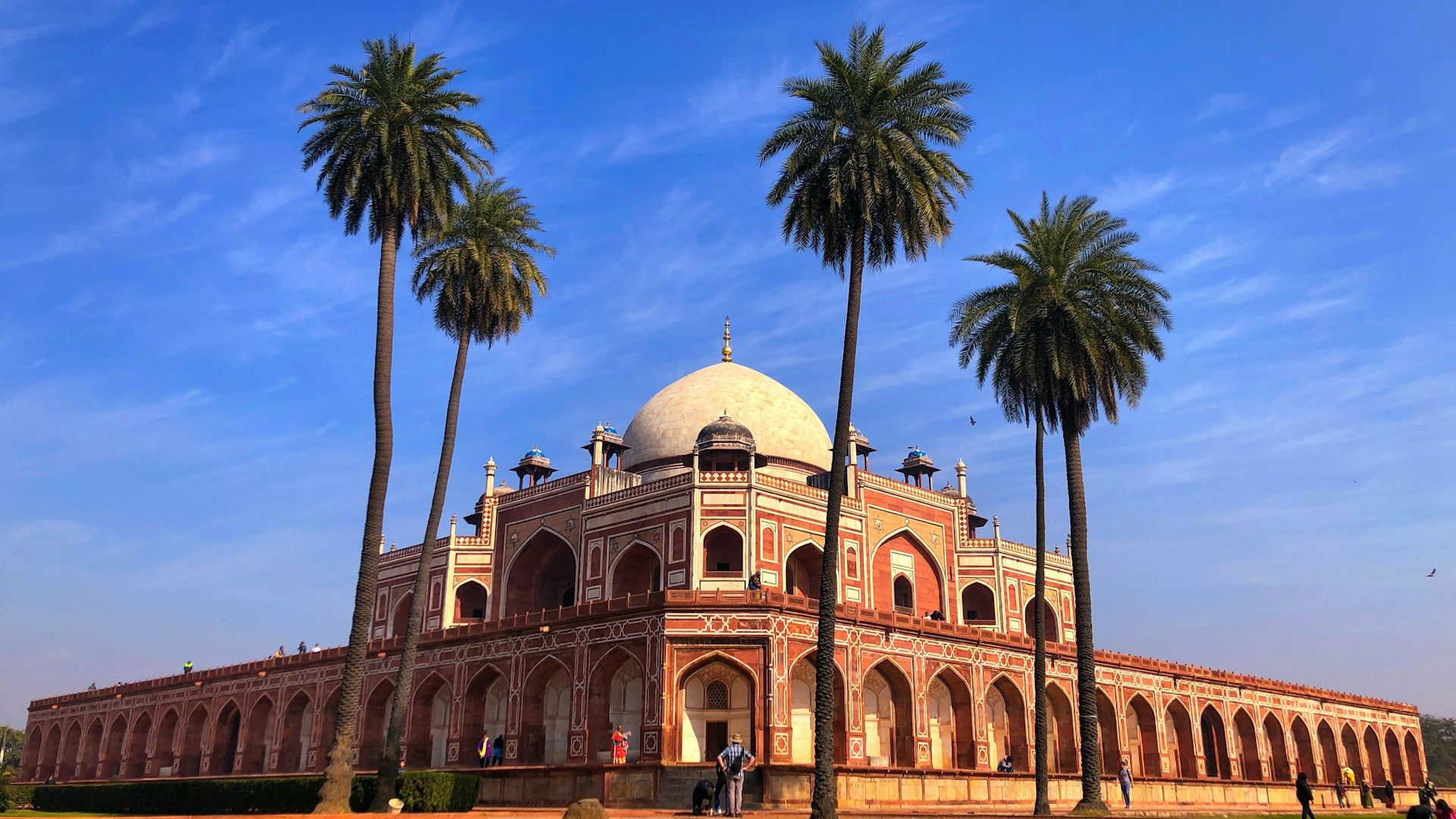
India Travel Guide
A thoughtful guide to planning a private journey through the Golden Triangle, North India and Rajasthan — from choosing your route and season to deciding how much time to give each place.
India is too large to experience everything in one journey. The art is knowing what deserves your time.
Before You Begin
Planning a first journey through India can be difficult for a simple reason: there is an extraordinary amount to choose from.
Delhi, Agra and Jaipur offer Mughal history, royal architecture and some of the country's most recognisable landmarks. Beyond them are the wider landscapes of Rajasthan, wildlife experiences, markets, food, crafts and quieter places that reveal another side of the country.
The temptation is to keep adding destinations. But a journey that looks impressive on a map can become tiring once driving, sightseeing, heat, walking and arrival times are taken into account.
GTTC's approach is therefore to build the journey around the traveller: interests, preferred pace, available time and the experiences that genuinely matter to them. The sample Golden Triangle journeys are explicitly described as fully customisable.
If this is your first time visiting India, our more focused guide to planning your first trip to India is the best place to begin.
The Natural Introduction
Delhi · Agra · Jaipur
The Golden Triangle connects Delhi, Agra and Jaipur. It remains one of the most natural introductions to North India because each destination offers a distinctly different character while forming a practical route.
Delhi introduces India's capital and its layered history. Agra brings the Taj Mahal, Agra Fort and the wider legacy of Mughal India. Jaipur then shifts the journey towards Rajasthan, with royal architecture, palaces, crafts and colourful markets.
GTTC's sample journeys follow this basic rhythm: arrival and exploration in Delhi, a road journey into Agra, the Taj Mahal and onward travel towards Jaipur, followed by a day focused on the Pink City's principal heritage experiences.
The route can remain focused or become the foundation for a longer journey into Rajasthan.
Explore the Private Golden Triangle →Three Essential Stops
The strength of the Golden Triangle is not simply its famous landmarks. It is the contrast between the three destinations.
India's layered capital
A first introduction to India's history, architecture, markets and contemporary life, combining Old and New Delhi.
Explore Delhi →Mughal heritage
Home to the Taj Mahal and Agra Fort, Agra brings some of India's most recognisable Mughal architecture into the journey.
Explore Agra →The Pink City
Royal architecture, palaces, observatories, bazaars and the distinctive character of Rajasthan.
Explore Jaipur →Planning the Journey
The strongest itineraries usually come from making a few important decisions early rather than adding more activities later.
Start with the places that genuinely interest you rather than trying to cover every destination that appears on a map.
Choose the right itinerary →The same route can feel completely different over five days, a week or longer. More time allows the journey to breathe.
Understand journey length →Weather affects walking, sightseeing hours, road travel and the overall rhythm of the journey.
Explore the seasons →Travel between cities is part of the journey. Distances should be considered before adding another destination.
Understand travel distances →Private travel allows the route, pace, transport and guiding to be refined around the traveller.
Private vs group travel →Hotels should support the journey through comfort, location, character and consistent service.
Explore hotel choices →Choosing Your Dates
There is no single date that is perfect for every traveller or every itinerary. The season should be considered alongside the destinations you want to visit and the experiences you want to have.
Cooler periods can make extended sightseeing more comfortable. Warmer months require more careful pacing, earlier outdoor experiences and sensible breaks. The monsoon changes the character of the landscape and requires greater flexibility around outdoor plans.
October can mark a transition towards more comfortable autumn conditions, while wildlife destinations such as Ranthambore need to be considered separately according to the wider journey and safari experience.
For a fuller seasonal breakdown, read our guide to the best time to visit North India .
Beyond the Landmarks
The major monuments provide a foundation, but a private journey can become much more personal when the route reflects your interests.
India's monuments are often the starting point for a first journey, but the experience becomes richer when history is given context.
Bazaars, neighbourhoods, food and daily life can provide a different perspective from the major monuments.
Meals and local tastes can be incorporated naturally rather than treated as a separate checklist of activities.
Ranthambore and other wildlife experiences can extend a Golden Triangle journey when the traveller has enough time and genuine interest.
Early mornings, changing light, architecture and everyday scenes can shape an itinerary for travellers who want photography to be part of the journey.
A good itinerary also leaves space for the hotel, a café, a quiet walk or simply enjoying the destination without another scheduled activity.
How Much India?
The number of days available often determines whether you should keep the journey focused or extend into Rajasthan.
A shorter journey centred on Delhi, Agra and Jaipur can provide a strong introduction to North India without adding unnecessary complexity.
Additional nights can create more breathing space, allowing the same destinations to be experienced at a more relaxed pace.
Ranthambore can introduce wildlife into the journey, provided there is enough time to accommodate the additional travel and safari schedule.
Travellers with more time can continue beyond Jaipur towards destinations such as Jodhpur, Udaipur or other parts of Rajasthan.
The Practical Side
Delhi, Agra and Jaipur form a practical route, but road travel still takes time. Transfers should be considered as part of the journey rather than as empty space between destinations.
Temperature and seasonal conditions can influence walking, sightseeing hours and the overall pace of a day. Dates should therefore be considered alongside the route and experiences.
A well-located hotel can make a noticeable difference to how a journey feels. Character, comfort, access and the relationship to the day's route all matter.
Not every day needs an early departure. A relaxed breakfast, later start or time at the hotel can create a more comfortable rhythm over several days.
Guides are particularly useful at major heritage sites where historical and cultural context adds depth. The amount of guiding can be adjusted around interests and preferred pace.
A journey should contain moments that are not programmed. A café, hotel courtyard, quiet walk or spontaneous stop can become part of the experience.
Beyond Jaipur
The Golden Triangle can be the beginning of a much longer North India journey. Once Jaipur is included, Rajasthan opens into a broader landscape of historic cities, forts, palaces, wildlife and different regional cultures.
Ranthambore can introduce wildlife into the journey. Jodhpur offers the distinctive character of the Blue City and Mehrangarh Fort. Udaipur brings lakes, palaces and a slower atmosphere.
The decision to add another destination should always be considered against travel time. More places do not automatically create a better journey.
For a longer route, our guide to planning a private journey through North India explains how to build the route around the traveller rather than simply adding destinations.
A More Personal Way to Travel
A private journey allows the route, vehicle, guides, hotel choices and daily rhythm to be shaped around the traveller rather than around a group schedule.
Before You Book
A long list of destinations can look exciting before the journey begins, but each addition affects driving time and the amount of time available to actually experience each place.
A three- or five-hour road journey still affects the energy available for sightseeing. The road should be considered when planning the day.
Some of the best moments can happen between scheduled experiences. Leisure is not wasted time.
Accommodation should work with the day's sightseeing, comfort requirements and the wider journey.
Continue Planning
First-Time Visitors
Start with the essentials of planning a considered first journey.
Private Travel
Shape the route around your interests, pace and available time.
Seasons
Understand the seasons before deciding when to travel.
Itinerary Planning
Learn how route and pace affect the experience.
Practical Planning
Understand the road journeys between the principal destinations.
Accommodation
Understand how accommodation can become part of the journey.
India Travel Questions
Yes. Delhi, Agra and Jaipur provide a varied introduction to North India, combining major heritage sites with different city experiences and a relatively straightforward route. The journey can also be extended if you have more time.
There is no single ideal length. A focused Golden Triangle can be planned over around five to six days, while seven to nine days allow more breathing space. With ten days or more, additional destinations in Rajasthan or wildlife experiences can be considered.
For a multi-city journey, a private chauffeur can make transfers considerably easier and allows departure times to remain flexible. The driver also provides continuity throughout the road journey.
A guide can be particularly useful at major heritage sites, where historical and cultural context adds depth to the visit. The amount of guiding can be adjusted according to your interests and preferred pace.
Yes. A private journey can be refined around your interests, travel style, preferred pace and the amount of time available. The aim is to create a coherent journey rather than simply add more activities.
A private itinerary can be planned around comfort, walking levels, hotel locations, transfer times and the amount of sightseeing each day. The route should be refined around the traveller rather than forcing a fixed pace.
A private road journey provides continuity between the three destinations and makes it easier to adjust departure times and sightseeing around the traveller. The route can also be planned to avoid unnecessary backtracking.
If you have additional time, Rajasthan can extend the journey with different landscapes, heritage and experiences. Destinations such as Ranthambore, Jodhpur or Udaipur can be considered depending on your interests and the pace you prefer.
Seasonality should be considered alongside your route and interests. Weather, visibility, walking conditions and the overall rhythm of sightseeing can all influence how the journey feels.
Planning earlier generally gives more flexibility when selecting hotels, guides and experiences, particularly during periods of higher demand. The appropriate lead time also depends on the season and complexity of the route.
Your Journey
The Golden Triangle may be the natural beginning, but the journey should ultimately reflect the person travelling it.
Some travellers want the major monuments and a concise introduction. Others want wildlife, Rajasthan, food, photography, heritage or simply more time to slow down.
The best private journeys make room for those differences.
Quick replies · 7 days a week
Private Travel Planning
This helps us plan your trip before we speak