Fewer transitions
Moving between cities is part of travelling through North India, but too many changes can make the journey feel hurried. We consider whether each stop genuinely adds something to the experience.
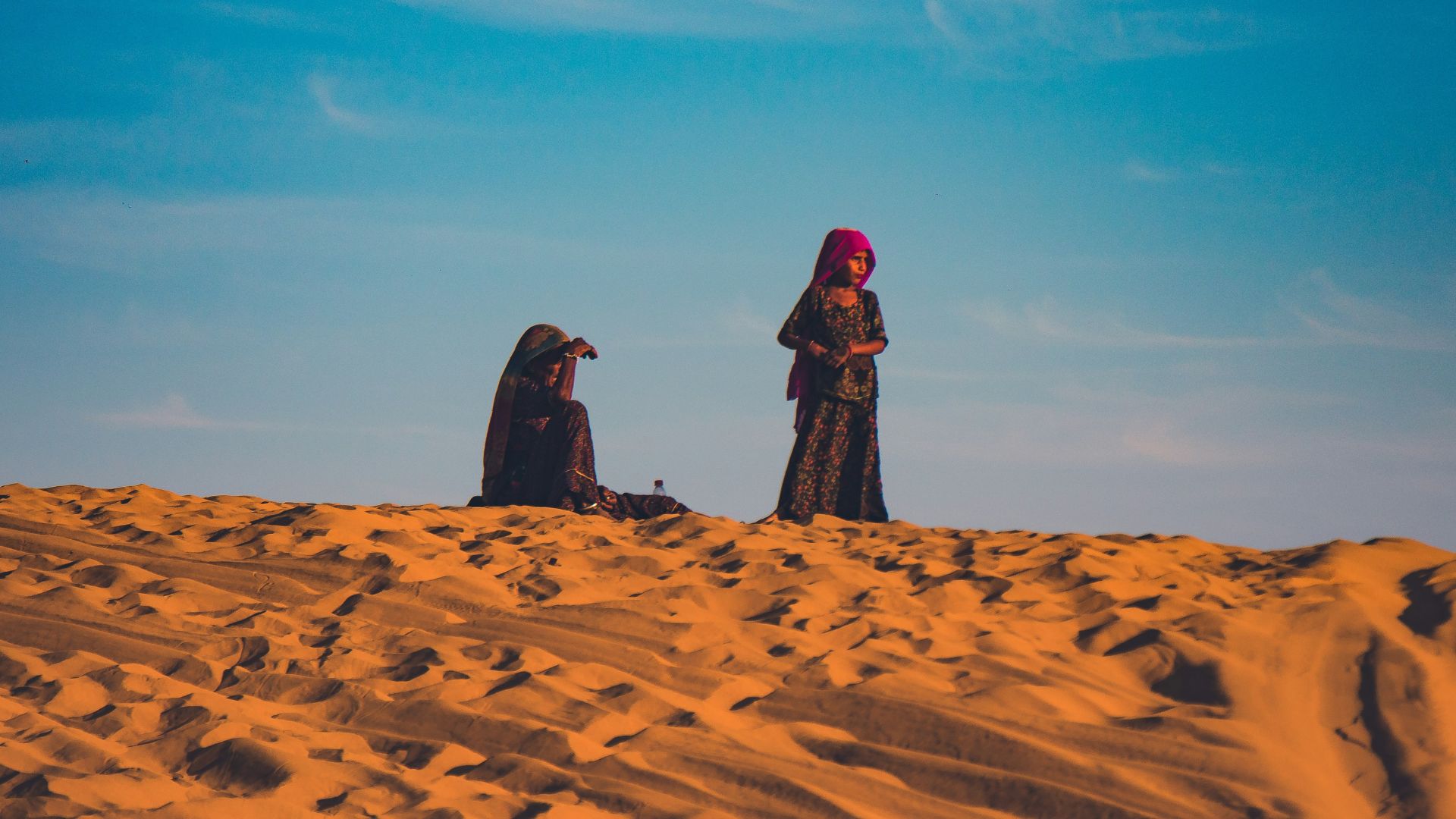
Slow Travel in North India
A more thoughtful way to experience India — with fewer unnecessary transitions, more time in place and enough space for the country to unfold naturally.
A Different Pace
North India can be exhilarating. Delhi, Agra, Jaipur and the destinations beyond them contain an extraordinary concentration of history, architecture, food, craft and living culture.
That richness can also create a temptation to see everything. Another monument. Another city. Another early start. Another experience added because there is still room in the itinerary.
But some of India's most memorable moments happen in the spaces between the highlights — a long breakfast, an evening walk, a conversation with a guide, the changing light across an old building, or simply sitting somewhere and watching the day unfold.
Slow travel is not about seeing less. It is about noticing more.
The Slow Travel Approach
Slow travel is less about following a formula and more about making deliberate choices about how a journey should feel.
Moving between cities is part of travelling through North India, but too many changes can make the journey feel hurried. We consider whether each stop genuinely adds something to the experience.
A destination becomes more interesting when there is enough time to notice it. Staying longer can create room for slower mornings, unplanned discoveries and a more natural relationship with the place.
Not every day needs the same intensity. A thoughtfully paced journey balances sightseeing, travel, meals, rest and time to simply enjoy where you are.
The objective is not to collect as many attractions as possible. A smaller number of meaningful experiences can leave a stronger impression than an itinerary filled from morning until evening.
Some of the most memorable moments are not scheduled. Leaving breathing space allows travellers to linger over a conversation, return to a favourite place or simply observe daily life.
Slow travel becomes particularly powerful when the rhythm reflects the people travelling — their interests, energy, comfort expectations and reasons for coming to India.
In the Planning
The feeling of a slower journey is usually created before the traveller ever arrives.
Route
North India offers an enormous number of places worth visiting. A thoughtful journey does not need to include all of them. The strongest route is often the one that gives each destination enough space to matter.
Duration
One additional night can sometimes transform the rhythm of a journey. It can remove a rushed transfer, create a free morning or allow travellers to experience a destination without immediately thinking about the next departure.
Sightseeing
The Taj Mahal, Amber Fort, Agra Fort and other major sights deserve attention. But a journey becomes more comfortable when these moments are surrounded by enough time to rest, eat and absorb the destination.
Hotels
A well-chosen hotel can create a pause within a busy itinerary. Heritage properties, boutique hotels and larger luxury hotels each offer different ways to experience that pause.
The Golden Triangle
Delhi, Agra and Jaipur are often treated as a race between three major destinations. They do not have to be.
Learn how to choose the right India itinerary →Delhi
Delhi can be introduced through a carefully selected collection of experiences rather than an exhausting attempt to cover every major sight.
Agra
Agra can be more than a short overnight stop. Time around the Taj Mahal, Agra Fort and the city's wider Mughal story can create a more rounded experience.
Jaipur
Jaipur's architecture is only one part of its character. A slower stay allows time for food, craft, neighbourhoods, markets and the atmosphere of the Pink City.
The Space Between
A well-paced journey gives travellers permission to enjoy the spaces between the major experiences.
Instead of treating every morning as the start of another sightseeing schedule, time can be left to enjoy breakfast, the hotel or the atmosphere of the city before continuing.
After the major monuments, there can be value in allowing the day to soften rather than immediately moving on to another scheduled activity.
The journey between Delhi, Agra and Jaipur does not have to feel like wasted time. With a private vehicle, the road can become a comfortable transition rather than a logistical interruption.
A deliberately lighter day can provide the energy needed to appreciate the more demanding sightseeing days that surround it.
A Common Misunderstanding
It is simply about making the journey feel less like a race and more like an experience.
Slow travel does not necessarily mean seeing fewer places. It means giving the places you visit enough time to become more than a photograph or a short stop.
A slower journey can still include excellent guides, private experiences, heritage sites and carefully chosen activities. The difference is the relationship between them.
Even a seven-day Golden Triangle journey can benefit from better pacing. Small decisions about timing and transitions can make a meaningful difference.
The right rhythm depends on the traveller. A couple interested in architecture may want more time in cities, while a family may value more relaxed mornings and fewer transitions.
Private Travel
A private journey does not have to follow a fixed group timetable. Departure times, sightseeing pace, meal stops and the balance between activity and rest can be considered around the people travelling.
This flexibility is particularly valuable in North India, where distances, climate, sightseeing intensity and the sheer variety of experiences can make the rhythm of a journey especially important.
Continue Reading
Journey Design
A closer look at how route, pace, experiences and breathing space come together.
Read the insight →
Journey Rhythm
Why the relationship between active days, travel time and breathing space matters.
Read the insight →
Private Travel
How private travel creates more flexibility around pace, interests and daily rhythm.
Read the insight →
Practical Planning
Planning
Understand how journey length can influence the pace and depth of a North India experience.
Explore the guide →
Itinerary
Explore how route, duration and rhythm affect the way India is experienced.
Explore the guide →
Planning
See how interests, comfort, route and pace can be brought together into one journey.
Explore the guide →
Frequently Asked
Slow travel is an approach that gives greater attention to pace, time in place and the relationship between experiences. Rather than trying to fill every available hour, the journey allows destinations, meals, hotels, sightseeing and quieter moments to exist alongside one another.
Yes. Slow travel is not determined only by the number of days. Even a shorter Golden Triangle journey can feel considerably more relaxed through thoughtful routing, fewer unnecessary transitions and better spacing between major experiences.
Not necessarily. It can mean fewer destinations, but it can also mean staying longer in selected places or allowing more breathing space between activities. The right balance depends on the traveller and the purpose of the journey.
Yes. Delhi, Agra and Jaipur can be experienced at a more considered pace by balancing major sightseeing with private travel, comfortable hotels, appropriate travel times and enough space between experiences.
Private chauffeur-driven travel gives greater flexibility around departure times, stops and the pace of the road journey. It also removes the fixed schedule associated with larger group transportation.
Yes. Journey pacing can be considered around your interests, energy, comfort expectations, preferred hotels and available time. The objective is to create a route that feels balanced rather than simply maximising the number of inclusions.
Golden Triangle Travel Co.
The best journeys are not always the ones that contain the most. Sometimes they are the ones that leave enough room to remember where you were.