Not every day should feel the same
A journey becomes tiring when every day carries the same intensity. We balance major sightseeing days with lighter periods so that the overall experience has a natural rise and fall.
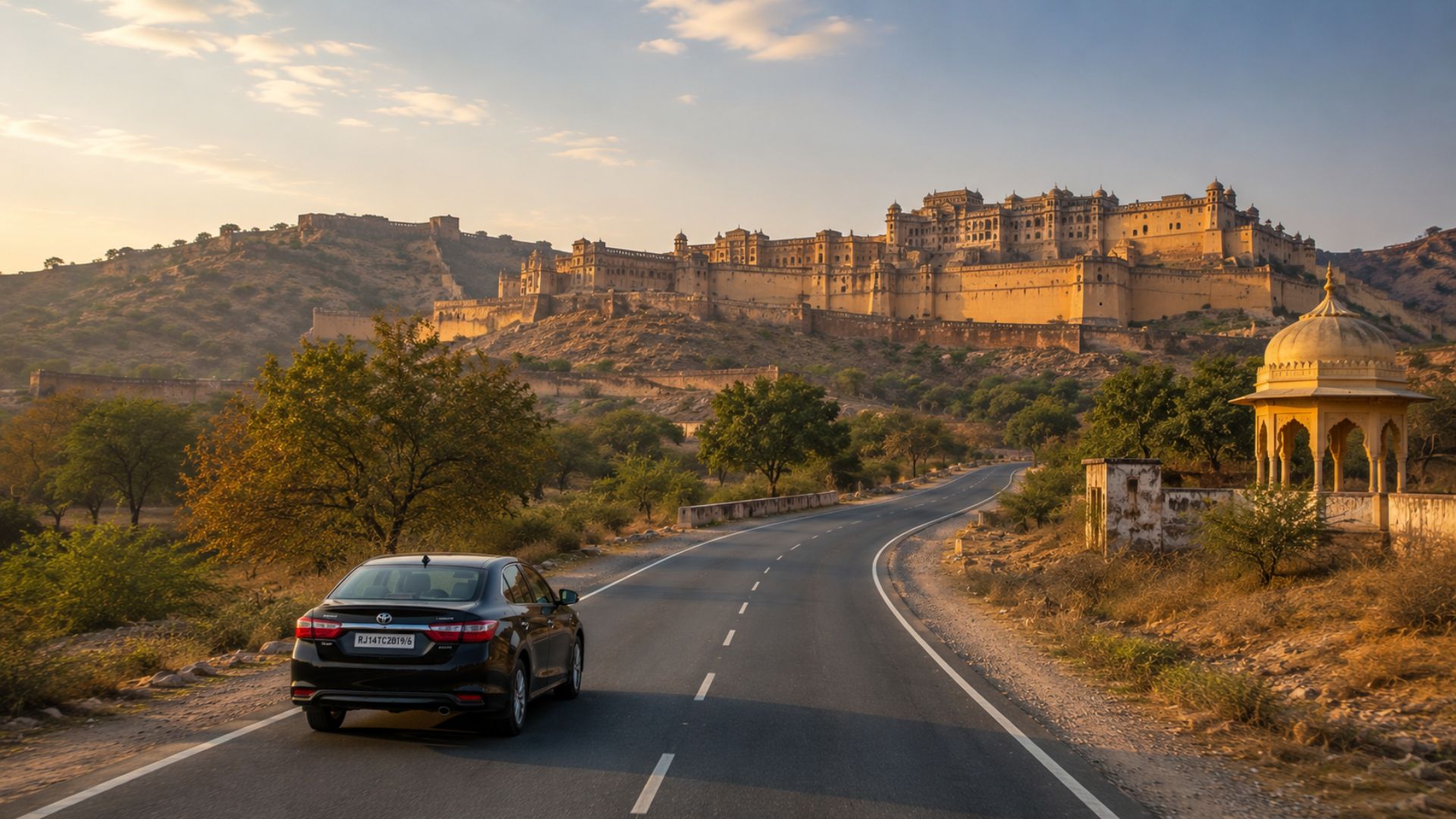
The Rhythm of a Journey
Because a memorable India journey is not only about where you go. It is also about how the days unfold between those places.
The Idea of Rhythm
It is easy to build an India itinerary by adding places. Delhi, Agra, Jaipur, Ranthambore, Udaipur — each destination has something worth seeing.
The harder part is deciding how those places should sit together. When should the traveller wake early? When should a day be active? When should a long road journey be followed by a quieter afternoon? And where should there simply be room to pause?
We think about these questions as part of itinerary design rather than after the itinerary has already been created.
The goal is not to slow every journey down. It is to make the pace feel intentional.
Building the Pace
These decisions help determine whether a journey feels energising, rushed, relaxed or simply right for the people travelling.
A journey becomes tiring when every day carries the same intensity. We balance major sightseeing days with lighter periods so that the overall experience has a natural rise and fall.
Travel time is part of the journey, not something to hide inside an itinerary. Longer road journeys need to be considered alongside arrival time, sightseeing and the energy required afterwards.
Two identical lists of places can create very different experiences depending on their sequence. We consider geography, opening times, light, traffic and the relationship between experiences when arranging the route.
A major experience should not always be followed immediately by another major experience. Allowing time around important moments can make them feel more memorable rather than simply becoming another item on the schedule.
Time at the hotel, a slower lunch or an unstructured afternoon is not necessarily time lost. It can give travellers the opportunity to absorb a destination and recover from a full day.
Couples, families and older travellers can have very different energy levels and interests. The rhythm needs to respond to the people travelling rather than applying one standard pace to everyone.
The Shape of a Day
A journey feels more comfortable when demanding days and quieter periods are considered as part of the same overall rhythm.
Arrival Day
Arrival days can carry uncertainty, especially after a long international flight. When possible, we avoid creating an unnecessarily demanding first day and allow the traveller to settle into India.
Discovery Day
A sightseeing day can be active without becoming rushed. Major sites, guide time, meals and transitions are considered together so the day feels coherent rather than compressed.
Transition Day
Moving between cities is inevitable in North India. We consider the journey between destinations as part of the experience and avoid pretending that long distances do not affect the day's energy.
Lighter Day
A lighter day can protect the overall rhythm of a longer journey. It may include a relaxed morning, fewer scheduled experiences or time to enjoy the hotel and surroundings.
Behind the Planning
What looks like a simple itinerary on paper is influenced by a number of small practical decisions behind the scenes.
The number of hours on the road influences what should reasonably happen before and after the journey.
Heat, humidity and seasonal conditions can change how comfortable a full day of sightseeing feels.
Monuments and experiences do not all operate on the same schedule, so timing can influence the order of a day.
Age, mobility, interests and personal preferences can all affect the pace that feels comfortable.
Where a traveller stays can influence morning departures, evening convenience and the amount of time spent in transit.
A long guided visit, early-morning experience or physically demanding activity can affect what should follow.
Less Can Be More
The temptation when visiting India for the first time is to make every day count by adding another sight, another experience or another destination.
Read the common mistakes first-time visitors make →Every available hour is filled with sightseeing, transfers and scheduled activities. On paper it appears efficient, but the traveller has little opportunity to slow down.
Important experiences remain, but their relationship is considered. There is enough space around them for meals, rest, spontaneous moments and the natural pace of travel.
North India
Delhi, Agra and Jaipur may look relatively close on a map, but the experience of travelling between them still needs to be considered when planning each day.
Adding Ranthambore, Udaipur or other destinations changes the rhythm again. Longer road journeys can be worthwhile, but the days surrounding them should reflect the additional travel.
This is why we prefer to think about the journey as a connected sequence rather than treating each city as an isolated destination.
Planning Principle
Every transfer should have a reason within the wider journey. Unnecessary backtracking and poorly timed movements can add fatigue without adding meaningful experience.
Personal Rhythm
A couple interested in architecture may happily spend several hours exploring a historic site. A family may prefer shorter visits followed by more open time. Older travellers may value fewer transitions and greater comfort between experiences.
There is no single definition of the perfect pace. The point of a private journey is to create a rhythm that works for the people travelling.
Continue Reading
Journey Design
See how route, experiences, accommodation and breathing space come together.
Read the insight →
Private Travel
Understand how private travel changes the pace and flexibility of a journey.
Read the insight →
Personalisation
How individual preferences influence the practical decisions behind a journey.
Read the insight →
Practical Planning
Planning
Understand how journey length affects what can comfortably be included.
Explore the guide →
Itinerary
Explore how route, duration and rhythm influence the experience of India.
Explore the guide →
Distances
A practical look at the journeys between the major destinations.
Explore the guide →
Frequently Asked
India can be physically and mentally stimulating, particularly for first-time visitors. Thoughtful pacing allows travellers to experience major sights without making every day feel like a race.
Not necessarily. Good planning is about using time intelligently. A well-sequenced route can include the important highlights while avoiding unnecessary backtracking, excessive transfers and overloading individual days.
We consider the distance between places, expected visit duration, opening times, climate, travel arrangements and the traveller's own preferences. The objective is to create a day that is achievable and enjoyable rather than simply full.
Some structure is useful. Hotels, guides, vehicles and major experiences need to be coordinated in advance. Within that structure, private travel can allow appropriate flexibility around timing and pace.
Age alone does not determine the pace, but comfort, mobility, walking tolerance and energy levels can be important considerations. These factors can influence sightseeing duration, hotel selection, vehicle choice and the amount of open time.
Yes, within practical limits. The itinerary can be made more active when that suits the travellers, but we still consider realistic travel times, opening hours and the cumulative effect of several demanding days.
Golden Triangle Travel Co.
Not every moment needs to be planned. Not every day needs to be full. A thoughtfully designed journey leaves enough structure to guide you and enough space for India to unfold naturally.